New Concrete Driveways, Explained in Plain Words
Request an estimate for your driveway
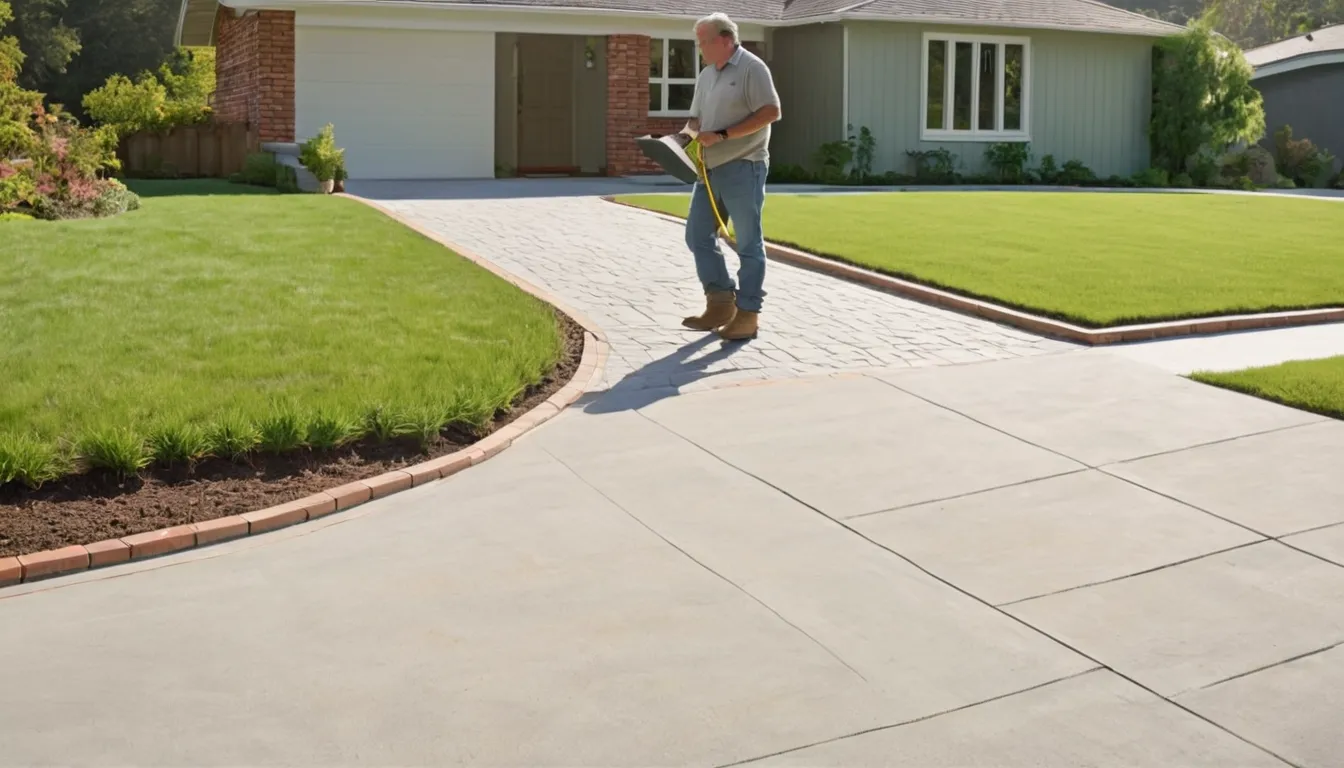
A concrete driveway is a big job, and most people only do it once. The slab sits outside in rain, salt, heat and heavy loads. A good one lasts for decades. A rushed one cracks early.
Dalligstore Concrete is a referral service. We do not pour concrete. We explain each step in short words, then connect you with independent providers in our network who serve the Godfrey area. You get a clearer picture of the job, the questions to ask, and what a fair written quote looks like before you commit to anything.
Start Here if Your Driveway Is Failing
A broken driveway is more than ugly. Loose chunks can trip people. Standing water can creep toward your home. If the surface is sharp, uneven or sinking, plan your next step soon.
This page is for a new concrete driveway. We will help you decide if that is what you need.
Signs It Is Time for a New Driveway
Look for these clues:
- Wide cracks that let you slip a coin inside
- Slabs that sit at different heights
- Flaking or peeling on the top layer
- Deep holes or crumbling edges
- Puddles that stay long after rain
- Patches on top of patches
One thin crack is common. Many cracks across the whole drive tell a bigger story.
Repair or Replace?
Small problems may only need concrete driveway repair. That means filling cracks or fixing a corner. Wide damage is different. If most slabs have moved or crumbled, new work often makes more sense than more patches. A provider can look at it and tell you which path fits.
Check the Ground and the Water First
Concrete is only as steady as the soil under it. Wet clay, poor drainage and old tree roots can move a slab. So can spring flooding.
See gaps along your foundation, or a slab tilting toward the house? Ask foundation repair experts to look first. A new driveway will not fix a wall problem. It could even hide one.
What a New Driveway Project Includes
Most jobs follow the same path:
- Measure the space and mark the layout
- Tear out the old slab and haul it away
- Level the ground and add a packed gravel base
- Set wood forms, which are the frames that shape the edges
- Add steel bar or mesh to hold cracks tight
- Pour, smooth and finish the concrete
- Cut joints so the slab cracks where you want it to
This is called concrete flatwork. That just means flat concrete like drives, walks and slabs.
Choosing Size and Thickness
Measure how many cars you park. Think about guests too. A single lane feels tight fast.
Most home driveways use about four inches of concrete. Heavy trucks or an RV may need five or six. Ask the provider to write the thickness on your quote.
Picking a Finish
The finish is how the top looks and feels. A broom finish has fine lines that grip shoes and tires. Smooth troweled concrete looks sleek but gets slick when wet. Colored or stamped styles add looks, though they cost more. If you also dream of stamped concrete patios, those have their own page.
Built for Cold Winters and Hot Summers
Water gets into concrete, turns to ice, and pushes it apart. This hurts most where winters bring deep frost. Ask about air-entrained concrete. It holds tiny air bubbles that give ice room to grow. A sealer can also help against road salt.
Hot, humid days change the pour too. Crews may work early or add steps to slow drying. Storms and hail rarely harm a cured slab, but heavy rain on a fresh pour is a problem. A good provider watches the sky.
Older Homes Hold Surprises
Houses from many decades ago may have old drains, buried pipes or a sloping garage floor. Past repairs can hide under the old slab. Tell the provider your home's age. Ask how they handle what they find once the old driveway comes out.
Permits and the Street Apron
The apron is the part of the driveway where it meets the street. The city often owns that strip. Many towns need a permit, and some set rules on width and slope. Ask the provider who handles the permit. Ask what it costs and who pays the fee.
How to Choose a Provider
Plain words first. Ask each provider:
- Can I see photos of similar driveways?
- Do you carry insurance, and can I see proof?
- Who will be on site each day?
- What is the base, thickness and mix?
Get two or three quotes. Compare the details, not just the total.
Quote in Writing
A good quote lists size, thickness, base work, tear-out, steel, finish, permit and cleanup. It also says when payment is due. Skip any bid that is only a number on a napkin.
Ask Before You Pour
Once the truck arrives, changes get hard. Settle the layout, slope and edges before the pour day. Walk the site with the provider and point at what you want.
After the Pour
Keep cars and feet off the slab until the provider says it is ready. That is often a few days for people and about a week for vehicles. Concrete keeps getting stronger for weeks.
Skip de-icing salt the first winter. Use sand for grip instead. Seal the slab when the provider advises. Sweep it often and fix small cracks early.
Take the Next Step
Request a callback to check provider availability, or use the request form. Either way, you get a clear start with no obligation.
What's Included
Tear-Out and Haul-Away
The provider breaks up the old slab, loads it into trucks and clears the space.
Base and Forms
Packed gravel gives steady support. Wood frames set the shape and slope of the drive.
Steel and Joints
Steel bar helps hold cracks tight. Cut joints guide where the slab splits.
Pour, Finish and Cleanup
Crews pour, smooth and texture the concrete, then clear tools and leftover debris.
Typical Costs for a New Concrete Driveway
Prices vary by size, soil, finish and local rates. These are typical U.S. ranges only. Always get a quote in writing before you agree to work.
| Item | Typical range | Notes |
|---|---|---|
| Plain broom-finish concrete | $6 – $12 per sq. ft. | Most common option for a two-car drive |
| Old driveway tear-out and haul-away | $1 – $3 per sq. ft. | Thicker slabs cost more to remove |
| Gravel base and grading | $1 – $4 per sq. ft. | Poor soil may need extra base |
| Colored or stamped finish | $10 – $18 per sq. ft. | Pattern and color raise the price |
| Permit and apron work | $100 – $1,000 | Depends on local rules and fees |
| Sealer after curing | $0.50 – $2 per sq. ft. | Often done after a few weeks |
How It Works
Share Your Plans
Tell us your address, rough size and goals through the request form or by phone.
Get Matched With Providers
Dalligstore Concrete connects you with independent local providers in our network who handle new driveways.
Compare Written Quotes
Review the size, thickness, base, finish and permit details on each quote.
Choose and Schedule
Pick the provider you trust and set a pour date that suits the weather.
Why Call Dalligstore Concrete
Plain Words, Clear Steps
Each page explains trade terms in a few words, so you know what you are agreeing to.
Local Providers
Independent providers in our network know local soil, weather and permit rules in your area.
No Pressure
Request an estimate and compare. You decide if, when and with whom to move forward.
Built for First-Timers
We share the questions to ask so you feel ready on your first project.
Other Services
Need concrete driveways in Godfrey?
Planning a new driveway or patio? Request an estimate through the form, or request a callback to check provider availability. Questions are welcome, and there is no obligation.
No obligationConcrete Driveways FAQ
How long does a concrete driveway last?
A well-built concrete driveway often lasts 25 to 30 years or more. Good base work, proper thickness, drainage and sealing help. Heavy frost, road salt and poor soil can shorten that span.
How long before I can drive on a new concrete driveway?
Most providers ask you to keep cars off for about a week. Walking is often fine after a day or two. Follow your provider's advice, since weather and the concrete mix can change timing.
Do I need a permit for a new driveway?
Many towns require a permit, especially for work at the street apron. Rules differ by place. Ask your provider who handles the permit, and check with your local building office before work starts.
Tell us what happened
Planning a new driveway or patio? Request an estimate through the form, or request a callback to check provider availability. Questions are welcome, and there is no obligation.
No obligation